


—
Modern infrastructure projects require reliable and long-lasting systems that support residential, commercial, and industrial operations. High-quality storage and distribution solutions play a major role in maintaining operational efficiency, improving resource management, and ensuring continuous daily supply.
Today’s advanced systems are designed with durability, safety, and performance in mind. They are widely used in apartment buildings, factories, hotels, hospitals, warehouses, agricultural facilities, and large commercial developments where dependable infrastructure is essential.
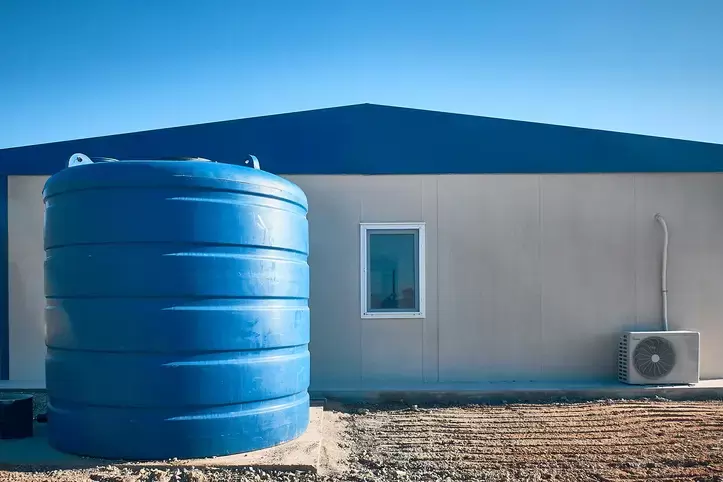
A Plastic water tank remains one of the most important components in modern infrastructure because it provides secure and efficient storage for multiple applications. Properly designed systems help maintain stable supply conditions while supporting emergency backup requirements.
For large-scale projects, the GRP tank is considered one of the most effective solutions due to its strong structure, corrosion resistance, and flexible modular design. These systems are commonly installed in areas where durability, hygiene, and long operational life are required.
Growing Demand for Modern Storage Infrastructure
The demand for advanced infrastructure systems has increased significantly due to rapid urban development and industrial expansion. Modern facilities require dependable solutions that can operate efficiently under varying environmental and operational conditions.
Reliable systems help improve:
- Operational efficiency
- Supply stability
- Long-term durability
- Safety standards
- Maintenance management
- Resource conservation
Modern engineering technologies have made it possible to design systems that perform efficiently while reducing long-term operational costs.
Key Features of Advanced Storage Solutions
Modern reinforced systems are designed to deliver strong performance across residential, commercial, and industrial sectors.
Durable Construction
Advanced materials provide excellent structural strength and resistance against pressure, environmental exposure, and daily operational stress.
Corrosion Protection
Modern reinforced structures offer superior resistance against rust, moisture, and chemical exposure, making them suitable for humid and coastal regions.
Lightweight Engineering
Lightweight construction simplifies transportation, handling, and installation while reducing the structural load on buildings.
Hygienic Design
Smooth internal surfaces help maintain cleanliness and improve safety standards for storage applications.
Flexible Installation
Modular systems can be assembled in restricted areas and expanded later when additional capacity is required.
Applications Across Multiple Industries
Modern infrastructure systems are widely used in various industries because of their flexibility and reliable performance.
Residential Sector
Apartment complexes and housing developments require dependable systems to support daily operational needs.
Commercial Sector
Hotels, shopping centers, schools, and office buildings rely on efficient storage infrastructure for uninterrupted operations.
Industrial Operations
Factories and production facilities use reinforced systems for operational processes and reserve management.
Agricultural Facilities
Agricultural projects require durable solutions for irrigation and resource management.
Emergency Reserve Systems
Large-capacity systems are essential for emergency preparedness and fire protection applications.
Important Factors Before Installation
Selecting the correct system requires careful planning and evaluation of project requirements.
Capacity Planning
The required capacity depends on operational demand, usage patterns, and future expansion plans.
Installation Environment
Indoor, outdoor, rooftop, and underground installations all require different structural considerations.
Climate Conditions
Environmental factors such as heat, humidity, and exposure to harsh weather conditions influence material selection.
Maintenance Requirements
Choosing low-maintenance systems helps reduce operational costs and improves long-term efficiency.
Structural Quality
High-quality reinforced materials improve reliability, operational lifespan, and safety performance.
Installation and System Setup
Professional installation is important to ensure long-term operational reliability.
Base Preparation
A properly leveled and reinforced foundation is necessary for stable installation and safe load distribution.
Structural Assembly
Modern modular components are assembled using engineered fastening and sealing systems to maintain structural integrity.
Reinforcement Systems
Internal support structures help maintain stability during operation and pressure changes.
Integrated Connections
Drainage, inlet, outlet, and overflow systems are installed during the setup process.
Performance Inspection
Complete testing and inspection ensure safe and efficient operation before final use.
Maintenance and Operational Efficiency
Routine maintenance helps maintain performance and extend system lifespan.
Recommended maintenance practices include:
- Periodic cleaning
- Inspection of fittings and joints
- Monitoring for leaks or damage
- Sediment removal
- Regular structural inspections
Preventive maintenance helps avoid unexpected failures and improves long-term reliability.
Conclusion
Modern infrastructure systems are essential for supporting residential, commercial, industrial, and agricultural operations. Durable construction, advanced engineering, and modular flexibility have improved the efficiency and reliability of today’s storage solutions.
Proper planning, high-quality materials, professional installation, and regular maintenance all contribute to long-term operational performance. Reliable infrastructure systems continue to play a critical role in supporting modern development projects across multiple industries.
—

